Introduction to Poultry Farming

Poultry farming is the practice of raising domesticated birds such as chickens, ducks, and turkeys for the purpose of producing meat and eggs. It plays a vital role in global food production and provides a steady source of income for millions of farmers worldwide.

There are two main types of poultry farming:

  • Broiler farming (for meat production)

  • Layer farming (for egg production)

Modern poultry farming has evolved into a highly efficient and profitable business with the help of improved housing, feeding, breeding, and disease control systems. Whether you’re a beginner or looking to expand your knowledge, understanding the basics is the first step towards running a successful poultry farm.
Poultry Housing and Environment

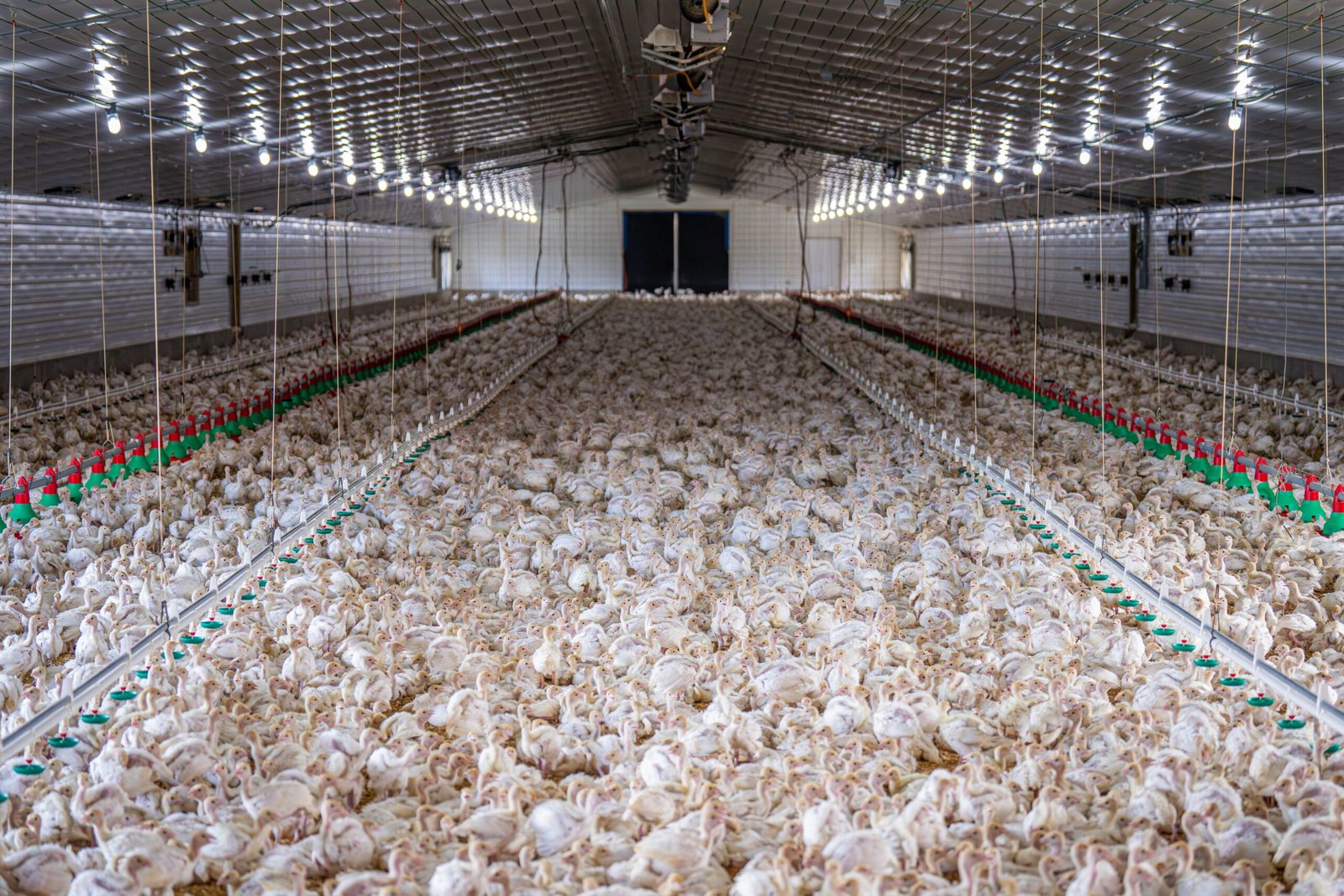
Proper housing is essential for the health, growth, and productivity of poultry birds. A well-designed poultry shed ensures adequate ventilation, lighting, temperature control, and hygiene.
  • Ventilation: Helps maintain fresh air and control moisture levels.

  • Lighting: Required for good egg production in layers.

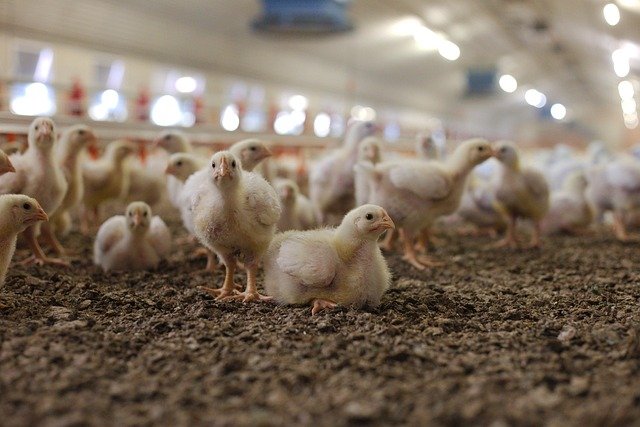
  • Temperature: Chicks require a warm environment (brooding), while adults need moderate temperatures.

  • Space: Avoid overcrowding to reduce stress and disease risks.

There are two common types of poultry houses:

  1. Open-sided Sheds – suitable for moderate climates.

  2. Environmentally Controlled Sheds – ideal for commercial-scale farming and high efficiency.

Good housing practices not only improve bird welfare but also reduce mortality and increase overall farm profitability.